
World first
First crewed landing in the lunar highlands
The claim: John Young and Charlie Duke landed Apollo 16's lunar module Orion at Descartes, the first time people explored the Moon's rugged highlands
Verified

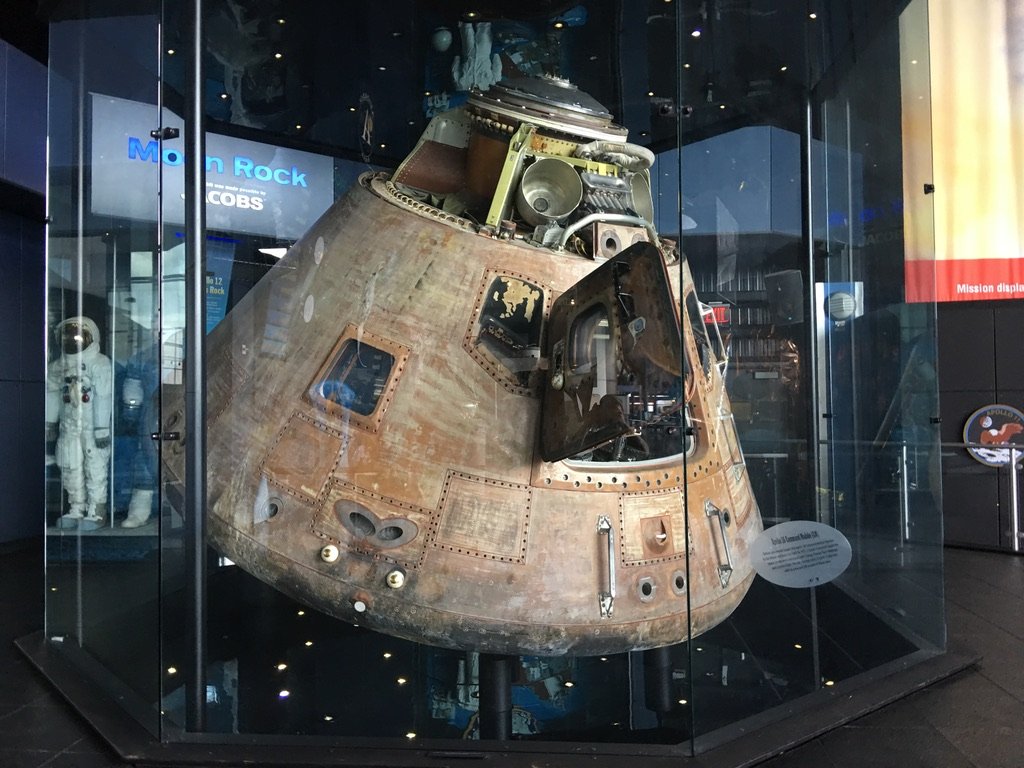
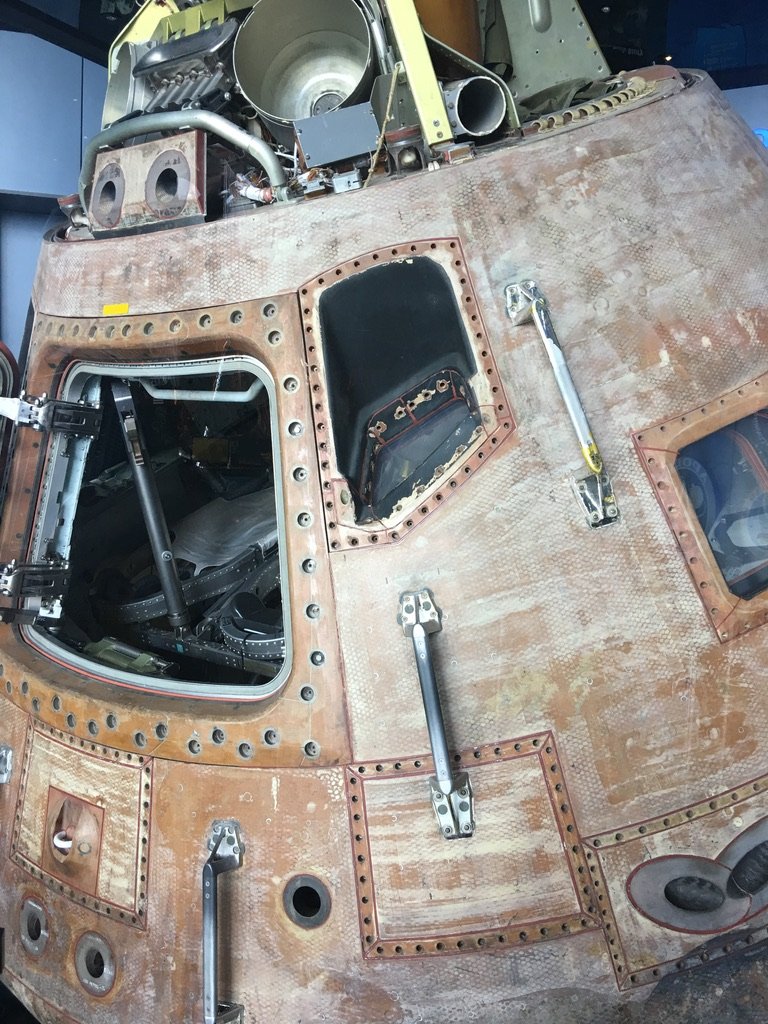
Every earlier Apollo crew had landed on the Moon's dark, flat lowland plains. Apollo 16 went to the Descartes region of the bright highlands instead, a site about 2,250 meters higher than Apollo 11's. A problem with Casper's main engine delayed the landing by about six hours, but Orion touched down on April 21, 1972 (UTC; the evening of April 20 in U.S. time). Young and Duke made three moonwalks over three days, driving the second lunar rover to explore the area.
Geologists had expected the highlands to be volcanic. The rocks the crew collected were mostly breccias, older rock smashed and fused by meteorite impacts, which changed scientists' picture of how the lunar highlands formed. Casper, with Ken Mattingly aboard, carried the crew and about 95.8 kilograms of samples home to a Pacific splashdown on April 27. Duke, who was 36, is still the youngest person to have walked on the Moon.
Dig deeper
Questions to explore if you want to go further. Each search link opens the question in ChatGPT in a new window.
Sources
On the Bookshelf
Books that tell the story behind this entry will be suggested here. Publishers: send us a copy.
Spot an error? Tell us. Corrections are made in public.