
World first
First crewed spacecraft powered by fuel cells
The claim: Gemini 5 drew its electricity from hydrogen-oxygen fuel cells instead of batteries, the first time fuel cells powered a crewed spaceflight
Verified

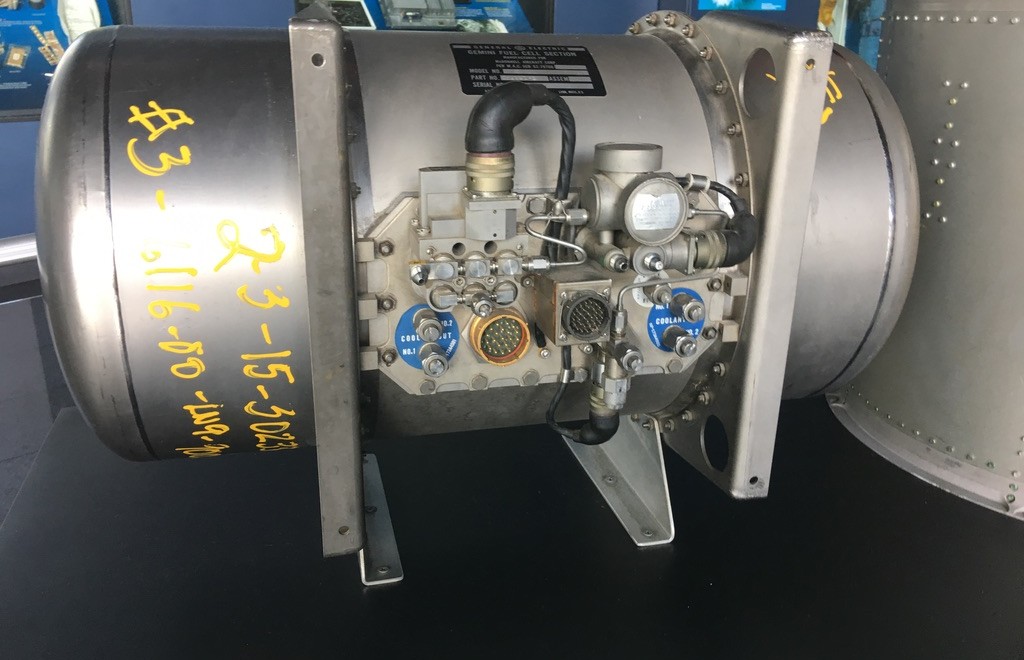
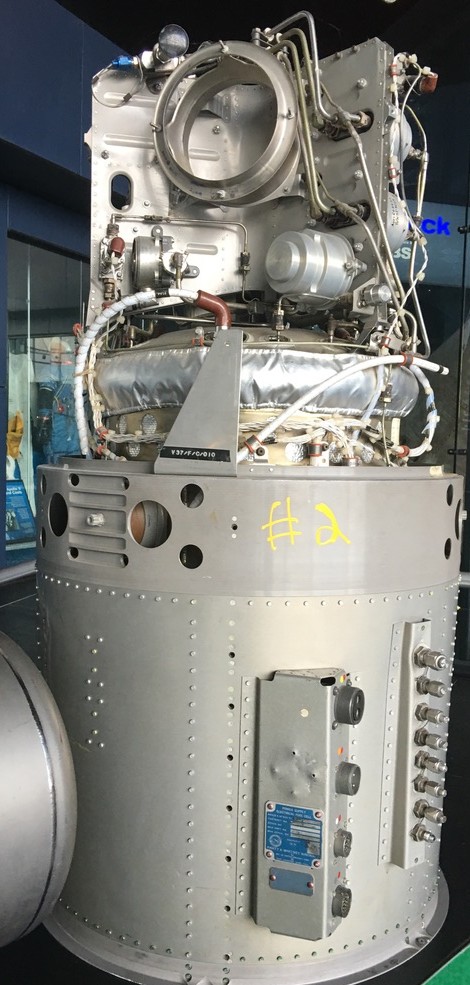
Every American spacecraft before Gemini 5 ran on batteries, and batteries big enough for a week in orbit would have been too heavy to launch. Gemini 5 carried two General Electric fuel-cell sections in the adapter behind the crew cabin. Each one combined hydrogen and oxygen, stored as super-cold liquids, to make electricity, with drinkable water left over. Gordon Cooper and Pete Conrad launched on August 21, 1965, on a planned eight-day flight. An earlier uncrewed test, Gemini 2, had carried a fuel cell, but a stuck valve kept it from being switched on.
Within hours, a heater in the oxygen supply failed and the pressure feeding the fuel cells began to fall. The crew powered the spacecraft down and called off a planned rendezvous test, and an early return looked likely. Instead, controllers had them bring the cells back up a little at a time, and the pressure held. Gemini 5 stayed up nearly eight days, a new world endurance record. Fuel cells went on to power Apollo, and later the space shuttle.
Dig deeper
Questions to explore if you want to go further. Each search link opens the question in ChatGPT in a new window.
Sources
On the Bookshelf
Books that tell the story behind this entry will be suggested here. Publishers: send us a copy.
Spot an error? Tell us. Corrections are made in public.