
World first
First crewed spacecraft to change its orbit
The claim: Gus Grissom and John Young fired Gemini 3's thrusters to change the size, shape and tilt of their orbit, the first orbital maneuver by any crewed spacecraft
Verified

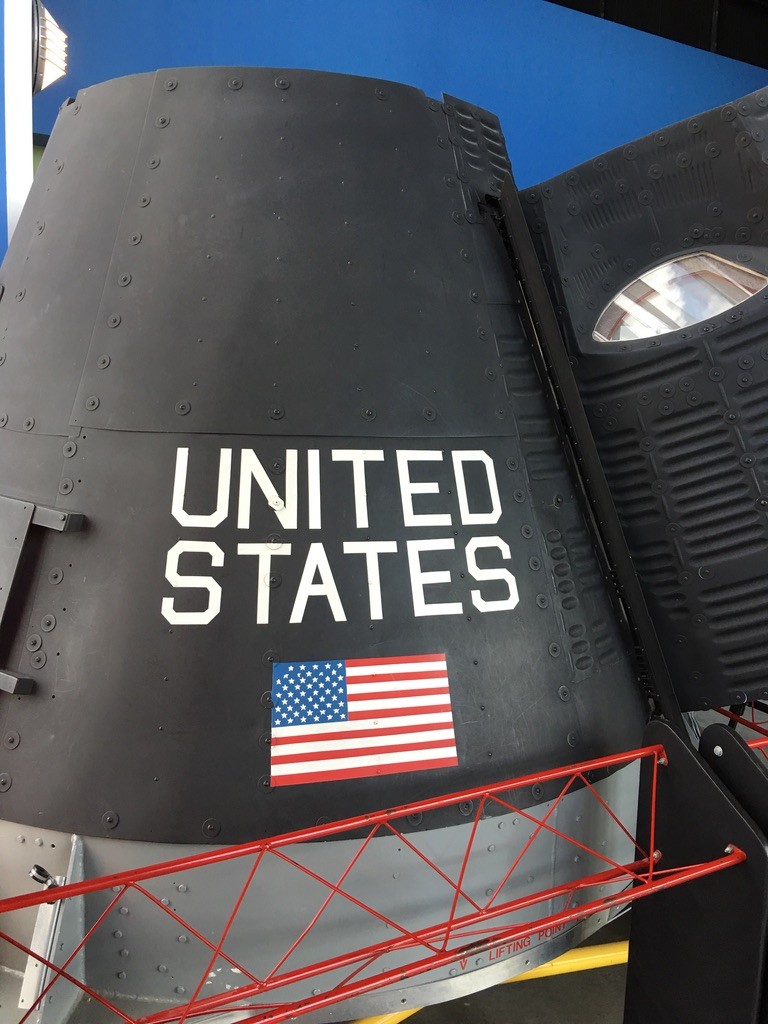
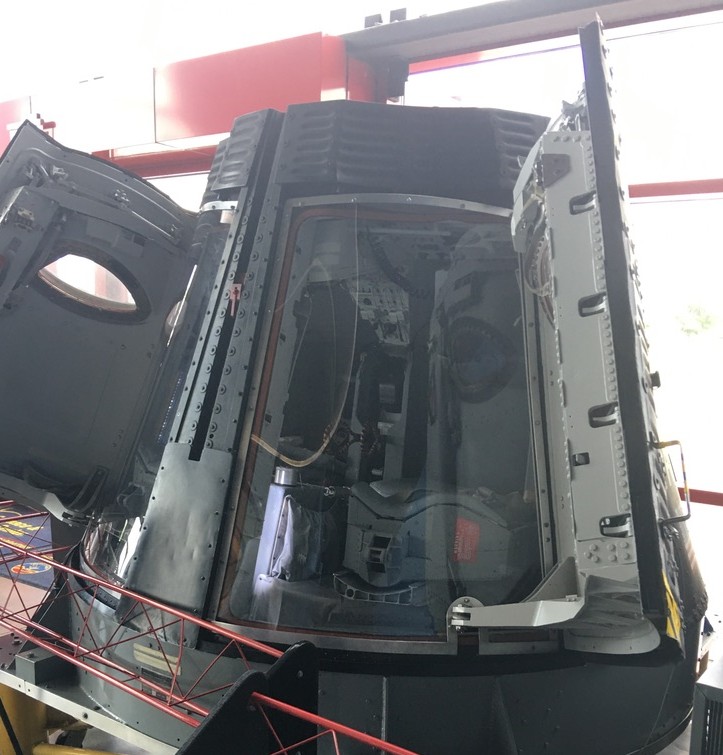
Vostok, Voskhod and Mercury could turn to point in different directions, but once in orbit they stayed on whatever path the rocket gave them. Gemini was built to steer. On March 23, 1965, Gus Grissom and John Young launched on Gemini 3, which Grissom nicknamed Molly Brown after the musical The Unsinkable Molly Brown, a joke about his Mercury capsule, which had sunk. At the end of the first orbit, about an hour and a half after liftoff, they fired the thrusters for 75 seconds and turned a stretched-out orbit into a nearly circular one. Later burns tilted the orbit slightly and dropped them lower.
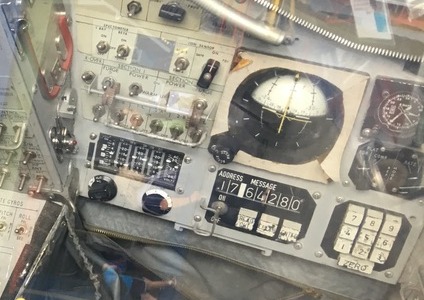
Being able to change orbit is what made rendezvous and docking possible, and without those there would have been no Moon landing. Gemini 3 was also the first American flight with two people aboard and the first flight of Gemini's onboard computer, built by IBM, which the crew used through a keypad. On the way home, the crew steered during reentry using the capsule's lift, another first, but they landed about 84 kilometers short of the target after three orbits and just under five hours.
Dig deeper
Questions to explore if you want to go further. Each search link opens the question in ChatGPT in a new window.
Sources
On the Bookshelf
Books that tell the story behind this entry will be suggested here. Publishers: send us a copy.
Spot an error? Tell us. Corrections are made in public.