
World first
First primates to return alive from space
The claim: Able, a rhesus monkey, and Miss Baker, a squirrel monkey, rode an Army Jupiter missile into space and were recovered alive, the first primates to survive a spaceflight
Verified

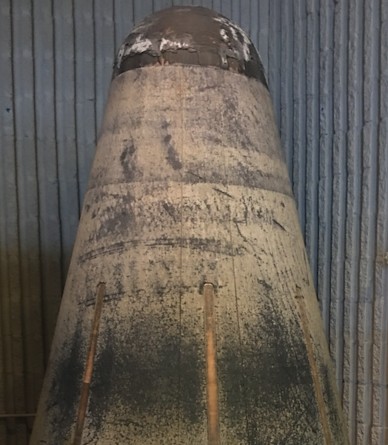
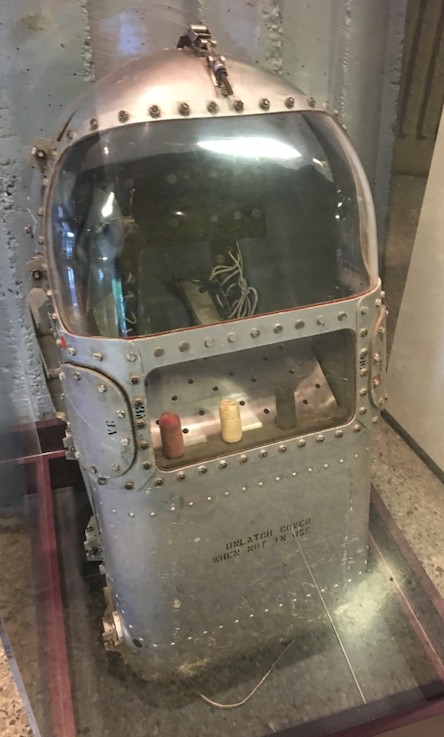
Before dawn on May 28, 1959, an Army Jupiter missile lifted off from Cape Canaveral with two monkeys in its nose cone, each in her own small life-support capsule: Able, a rhesus monkey born in Kansas, and Baker, a squirrel monkey from Peru. They climbed to about 300 miles (480 kilometers), were weightless for roughly nine minutes and came down in the Atlantic some 1,500 miles away, where Navy ships recovered the nose cone. Both monkeys were alive and well.
They were not the first animals to come back from space: Soviet dogs had done it in 1951. But every earlier American monkey had either died or flown too low to count as reaching space, and Able and Baker's flight gave NASA heart and breathing data it needed before sending people. Able died four days later, on June 1, during surgery to remove an electrode, and is preserved at the Smithsonian. Baker lived until 1984, spending her last years at the U.S. Space & Rocket Center in Huntsville, where she is buried.


Dig deeper
Questions to explore if you want to go further. Each search link opens the question in ChatGPT in a new window.
- Why did the U.S. and Soviet Union fly animals before people, and what did the flights measure? search
- How did the Jupiter nose cone's heat shield protect Able and Baker during reentry? search
- Why are the Soviet dog flights of 1951 counted as earlier returns from space than the U.S. monkey flights? search
Sources
On the Bookshelf
Books that tell the story behind this entry will be suggested here. Publishers: send us a copy.
Spot an error? Tell us. Corrections are made in public.